



Register to get free articles
Want unlimited access? View Plans
Already have an account? Sign in
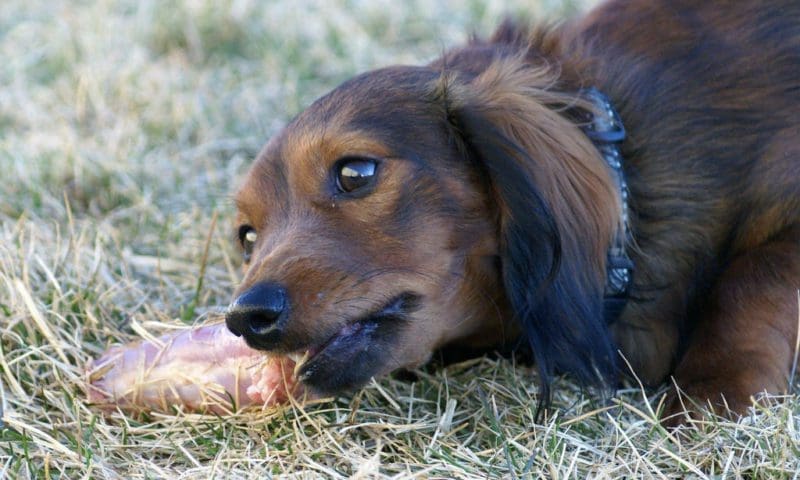
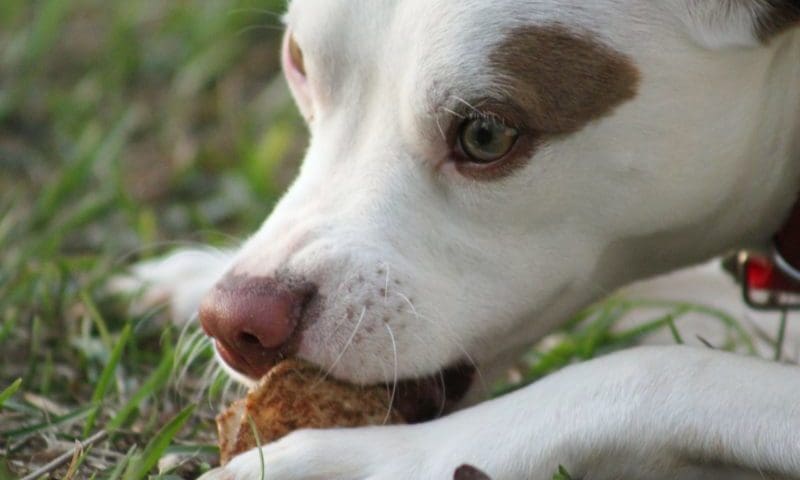
The Pet Food Manufacturers’ Association (PFMA) has responded to claims feeding animals raw food could be dangerous.
A team of researchers in the Netherlands have said that the foods could be contaminated with bacteria and parasites.
The association responded by stating: “PFMA members produce a wide range of products including dry, wet and commercial raw pet foods. Within our membership, we have a dedicated working group for commercial raw producers, and safety is a fundamental area of focus for this group.
“PFMA’s commercial raw members have been responsible for driving safety and standards forward within the sector having recently published new sector guidelines for the manufacture of commercial raw pet food. The guidelines have created a best practice, promoting hygiene rules that should be followed by everyone when handling any raw meat.
“A key recommendation in the guideline is for handling instructions on labels and packages of commercial raw products. Whilst there are risks to handling raw meat, whether for pets or people, raw manufacturers spend significant time and resource educating their clients to follow best hygiene practices. This education is also communicated by the PFMA.”
Michael Bellingham, PFMA chief executive, advises: “We have seen a growing interest in raw pet food and we know from our contact with the veterinary profession that vets are getting more questions from pet owners on these diets and how they can feed them safely.
“These guidelines have been developed in conjunction with Defra, the Animal and Plant Health Agency (APHA), Public Health England (PHE) and the Food Standards Agency (FSA) with the aim of better protecting the health of the public and pets alike. “