





Register to get free articles
Want unlimited access? View Plans
Already have an account? Sign in
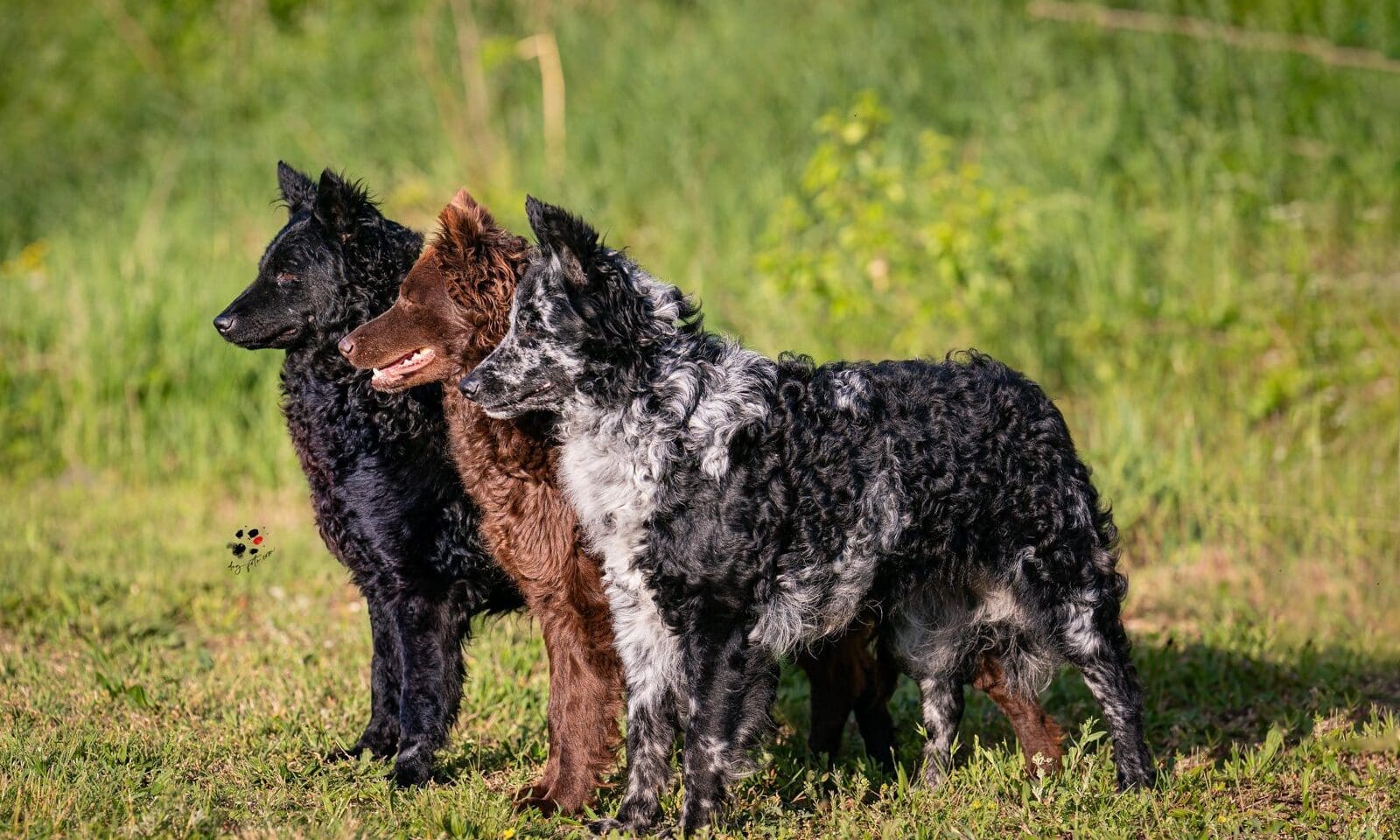
Kennel Club has announced that The Hungarian Mudi will become the UK’s 225th recognised pedigree dog breed next month.
The rare herding breed, which dates back to at least the 18th Century in Hungary, will be added to the Kennel Club’s Imported Breed Register from 1 July 2025. A breed standard will follow before the Mudi joins the main register, making it eligible to compete for Best in Show at Crufts.
The Mudi is the fifth breed to be recognised in the UK in the past five years, following the Icelandic Sheepdog, Polish Hunting Dog, Smooth Faced Pyrenean Sheepdog and Barbet.
Known for its intelligence, agility and loyalty, the Mudi was formally identified in 1936 and is noted for its wavy or curly coat, which comes in a range of colours. It has long been used for herding in Hungary, where it remains a valued working dog.
Charlotte McNamara, spokesperson for The Kennel Club, said: “We’re pleased to officially recognise this versatile Hungarian herding dog as a pedigree breed in the UK. Becoming a recognised pedigree breed with The Kennel Club takes time and several generations of dogs, but once a breed is officially recognised, it means we can be confident in its lineage and that it offers predictable traits – like temperament, health, exercise and grooming needs – which helps match dogs with the right home and owner.”
Dorit Powell, from The Hungarian Mudi Club in the United Kingdom, added: “The Mudi is razor-sharp, thinks independently, and is an affectionate, fiercely loyal family member. They are suitable for most types of living, as long as they are provided with a job or similar mental and physical stimulation, and their human companions can accept their breed-characteristic vocal and herding behaviour.”