


Register to get free articles
Want unlimited access? View Plans
Already have an account? Sign in
Microplastics are in more than three-quarters of pet food products, a recent study by the universities of Sussex and Exeter found.
The research, published in Environmental Toxicology and Chemistry, analysed 38 products, including 22 dry and 16 wet foods. Microplastics were discovered in 84% of brands, and in 27% of samples tested.
Researchers warned that ingesting the particles can affect organ function, fertility and overall health.
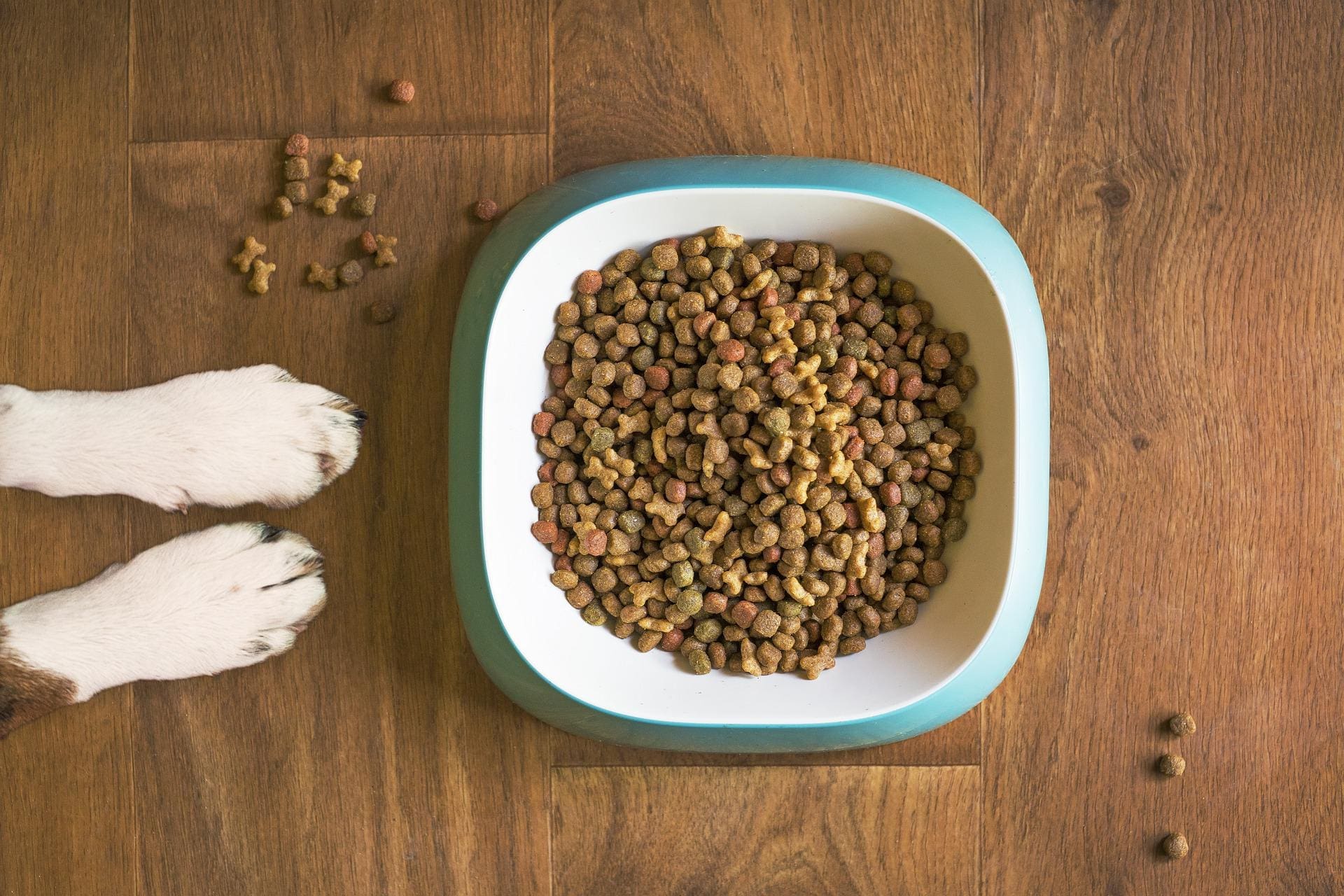
The study found that microplastics were found in a higher percentage of dry food as opposed to wet food. However, researchers argued that exposure to wet food could be more damaging due to portion sizes needing to be considerably larger to meet energy requirements.
Emily Thrift, lead researcher and PhD student at the University of Sussex, said: “Based on our results, a large dog fed a wet food diet could ingest over 300 plastic particles daily.”
She added: “Notably, levels were higher than those typically reported in human food, with the highest concentrations found in ‘value’ products and foods containing ‘animal derivatives’.”
Researchers concluded that pet food and wildlife feed are widespread but previously overlooked sources of microplastics, adding that exposure is likely to be repeated, given that animals are exposed to products every day.
Thrift added: “The ecological impacts of microplastics on the environment are also a concern, and our results emphasise the need for pet owners to pick up after their animals to avoid the contamination in our gardens, parks and countryside.”
The study concluded that work still needs to be done to understand the health impacts on animals, and further work is required to identify how microplastics are entering the food chain to begin with. Researchers are urging the government to regulate processed food manufacturers calling for “routine screening and strict maximum limits on plastics in pet food, mirroring current chemical regulations“.
Tamara Galloway, professor of ecotoxicology at the University of Exeter and co-author of the study, said, “Our results are a reminder that our pets and wildlife are exposed to the same chemical pollutants as ourselves. Cleaning up the food chain is a crucial target for the future.”