






Register to get 2 free articles
Reveal the article below by registering for our email newsletter.
Want unlimited access? View Plans
Already have an account? Sign in
The government is to launch a new Animal Welfare Strategy on 22 December, setting out a package of reforms aimed at improving protections for pets, farm animals and wildlife.
The Department for Environment, Food and Rural Affairs (Defra) said the strategy would introduce measures to end puppy farming, strengthen enforcement against low-welfare dog breeding and improve safeguards for animals kept in domestic, agricultural and wild settings.
Ministers said the plans would build on recent legislation to stop puppy smuggling and would include tougher action against practices that have not kept pace with updated scientific evidence. Defra said loopholes in existing laws had allowed some operators to evade scrutiny.
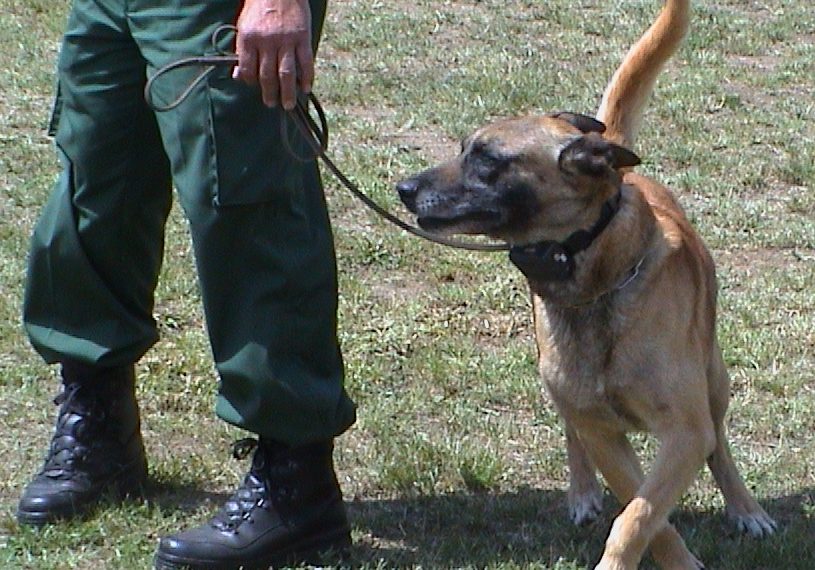
Under the proposals, the government plans to reform dog breeding practices to improve animal health and welfare, with the stated aim of ending puppy farming. It will also consult on a ban on electric shock collars for pets, citing concerns about potential harm.
The strategy also considers the introduction of new licensing requirements for domestic animal rescue and rehoming organisations, alongside measures to promote responsible dog ownership and improve public safety.
Further measures outlined include plans to ban caged hens, outlaw the use of cruel snares, prohibit trail hunting and restrict low-welfare dog breeding. The government has previously said it has already acted to raise zoo standards and protect livestock.
Emma Reynolds, environment secretary, said: “We’re a nation of animal lovers. This government is delivering the most ambitious animal welfare strategy in a generation. Visiting Battersea Dogs and Cats Home reminded me that millions of families welcome pets into their homes every year. Our strategy will raise welfare standards for animals in the home, on the farm and in the wild.”
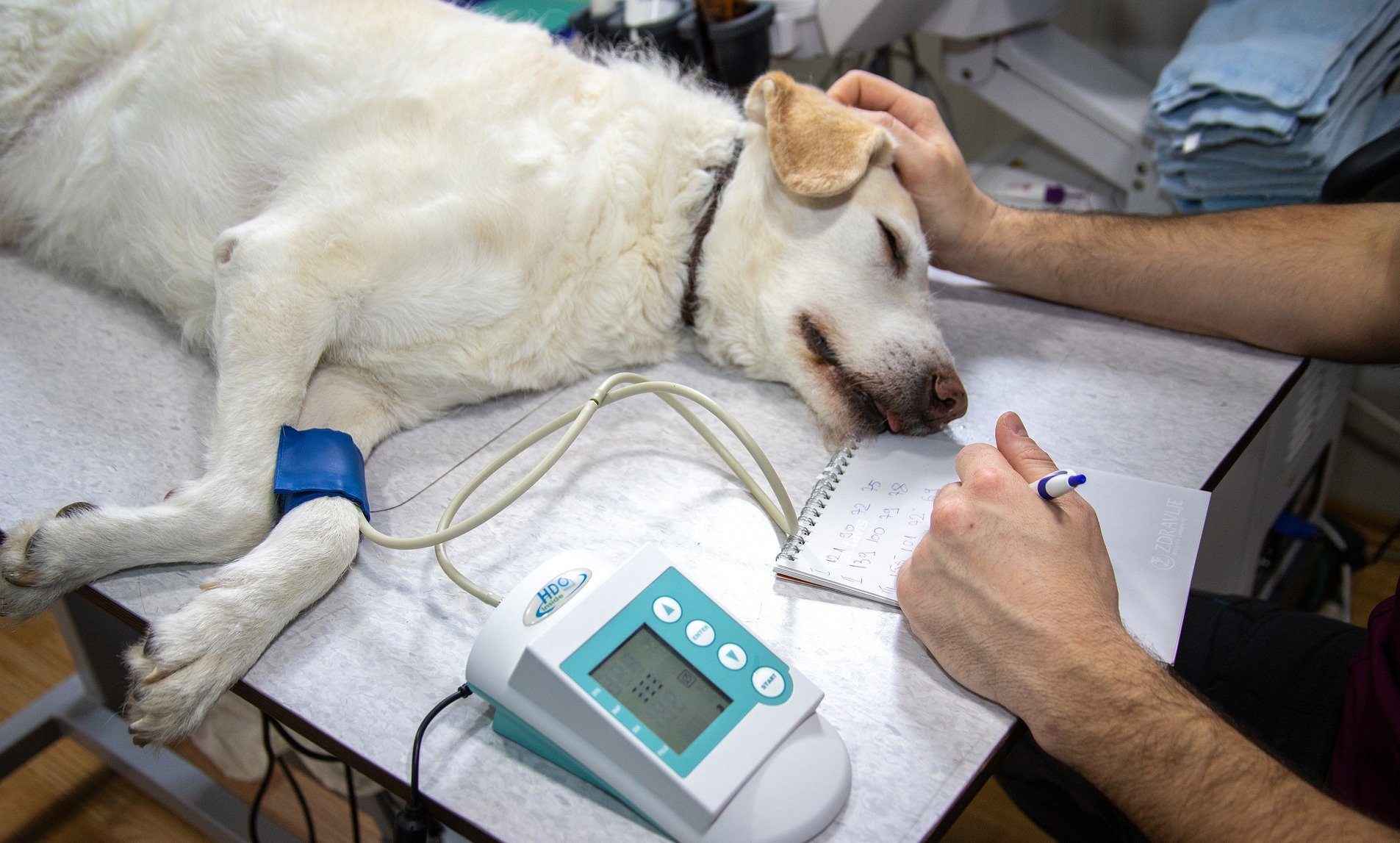
Dr Rhian Littlehales, clinical governance director at Medivet, added: “We always advise dog owners against using shock collars as they can be harmful to dogs, causing unnecessary fear, stress and pain. Dog owners should instead prioritise positive reinforcement training methods which are far better for a dog’s emotional and physical wellbeing.
“As a community of vets dedicated to animal welfare, Medivet has long supported a ban on shock collars. We strongly encourage the government’s consultation, listens to vets and takes note of clinical evidence.”